WHOLESALE ONLY  ·  SOLD THROUGH OUR DISTRIBUTOR NETWORK DISTRIBUTOR REGISTRATION|LOGIN
Home  /  What we supply  /  Agitation & Ventilation
Solution movement & air handling

Move the solution. Capture the fumes.

Agitation controls what happens at the part surface, deposit uniformity, burning and gas pitting all trace back to it. Ventilation controls what happens to everyone else in the building.

Below the surface and above it

Two problems that get bought together

Agitation and extraction share a tank rim, and getting one specified without the other is how shops end up with a sparge header blowing mist straight past a lip exhaust that cannot catch it.

Regenerative blowers

Oil-free low-pressure air for agitation. Oil-free matters, a lubricated compressor will eventually put oil into the bath.

Sparge headers

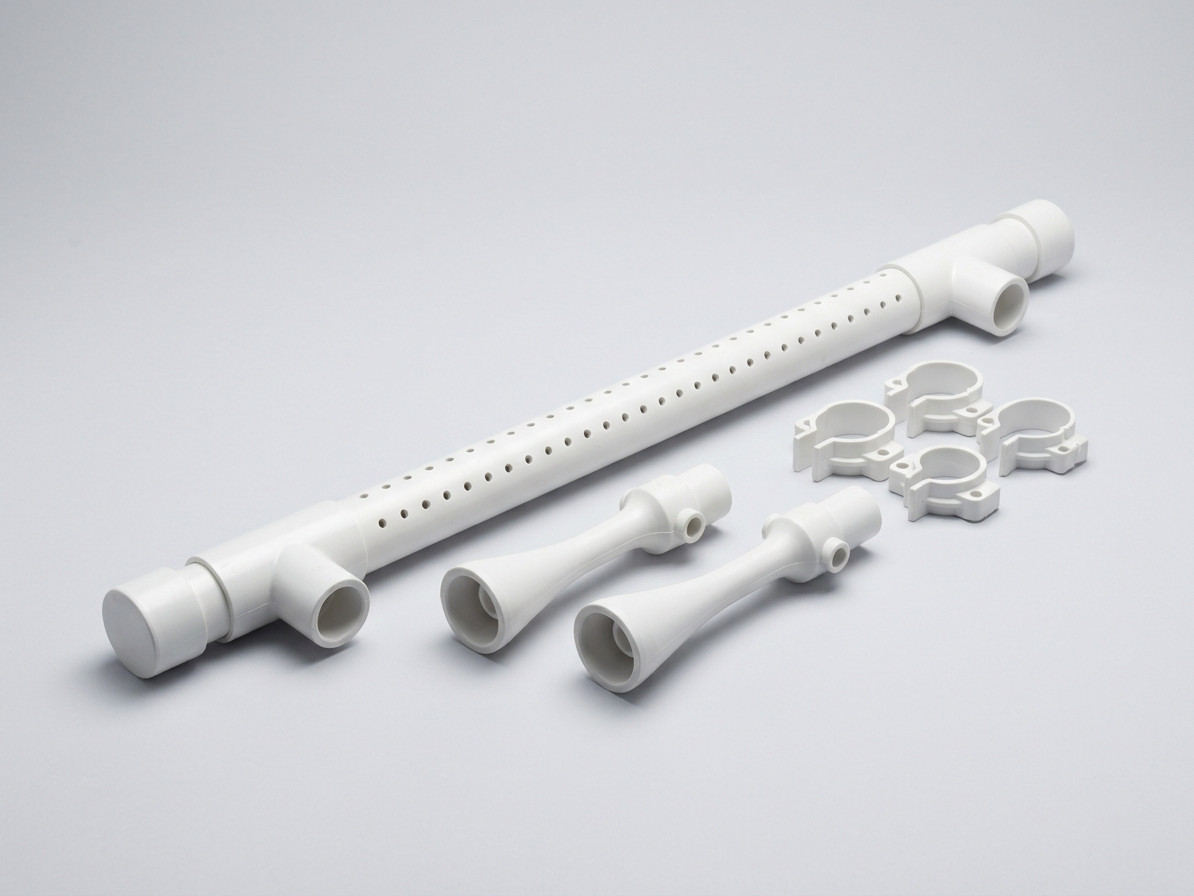
PVC or CPVC headers drilled for your tank width and immersion depth, with hold-downs so they stay put when the air comes on.

Eductors

Nozzles that entrain surrounding solution to multiply pumped flow, giving strong directed movement without air, the usual answer where air agitation is not wanted.

Cathode rod agitation

Mechanical work movement for baths where the finish improves with the part moving rather than the solution.

Lip and push-pull exhaust

Slot hoods along the tank rim, or push-pull across wide tanks, sized to pull the fume off the surface before it reaches the operator.

Scrubbers and mist elimination

Packed-bed scrubbers and mist eliminators to treat the extracted air before discharge, with ducting and fans in materials that survive it.

Air sparge header bubbling along the bottom of a plating tank with lip exhaust along the rim
Even air, evenly drilled. Hole size, spacing and header layout decide whether the whole tank moves or just the end nearest the blower. Headers are drilled to your tank, not cut from stock.
What we supply

Agitation & Ventilation

Solution movement and air handling, blowers, sparging and eductors below the surface, scrubbers and exhaust above it.

Regenerative Blowers

Regenerative Blowers

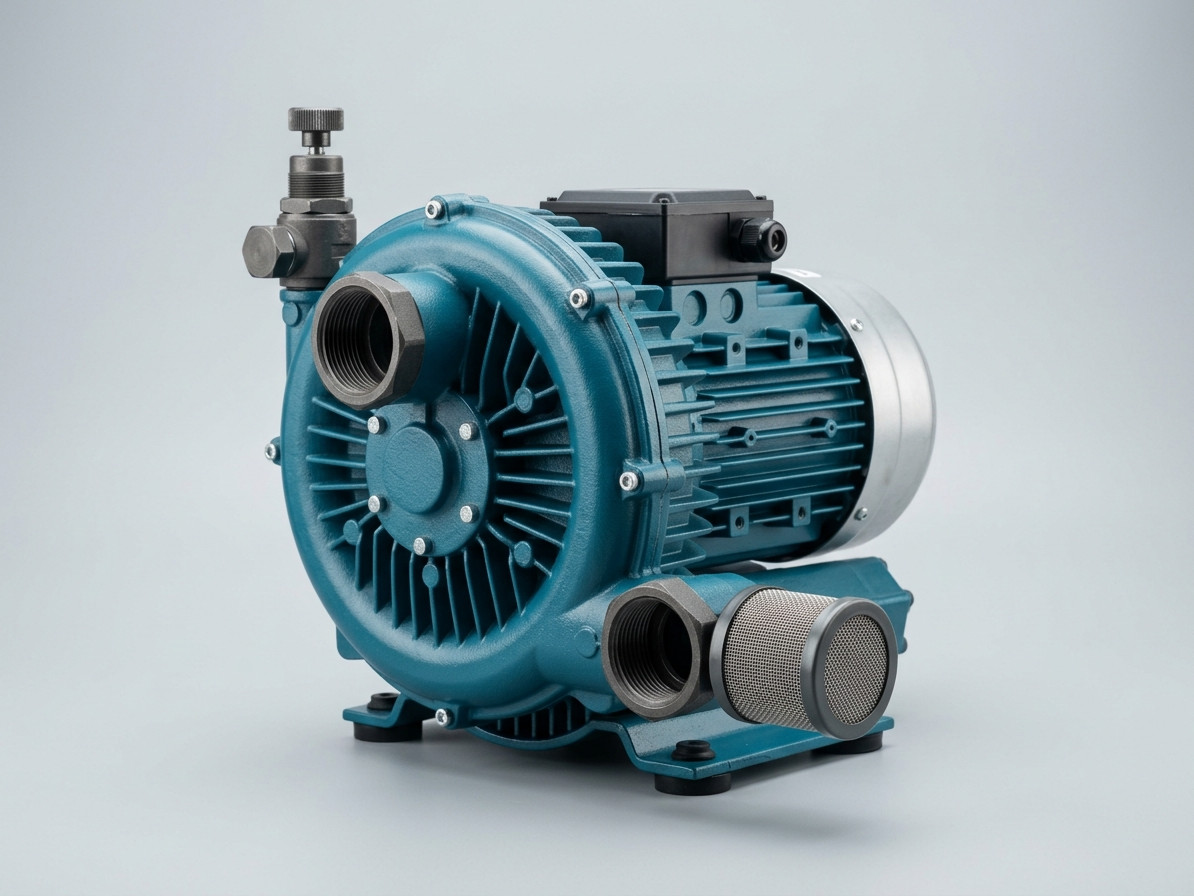
Oil-free regenerative blowers for air agitation, quiet, continuous low-pressure air without introducing oil into the bath.

  • Oil-free air stream
  • Sized by CFM and sparge depth
  • Relief valves and filters included
  • Single and 3-phase motors
Blower + Drop-Pipe Packages

Blower + Drop-Pipe Packages

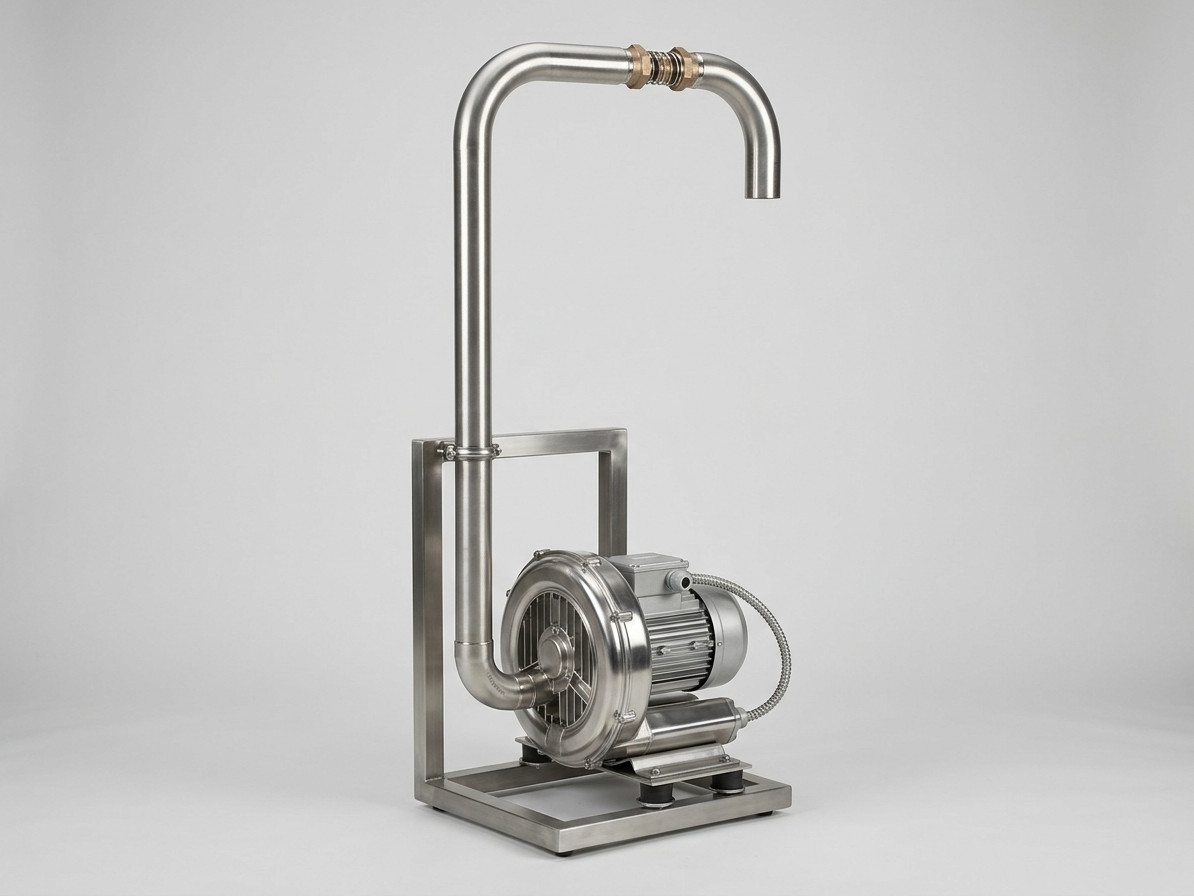
Regenerative blower pre-plumbed on a stainless stand with the rigid drop pipe that feeds your sparger, one assembly, ready to set beside the tank.

  • Blower, stand and drop pipe as one unit
  • Stainless hard piping over the tank rim
  • Check valve keeps solution out of the blower
  • Matched to your sparger layout
Air Sparge & Eductors

Air Sparge & Eductors

PVC/CPVC sparge headers drilled for your tank, and eductor systems that multiply pump flow for strong, even solution movement.

  • Custom-drilled headers
  • Eductors up to 5:1 flow multiplication
  • Chemistry-rated materials
  • Hold-downs and hardware included
Fume Scrubbers

Fume Scrubbers

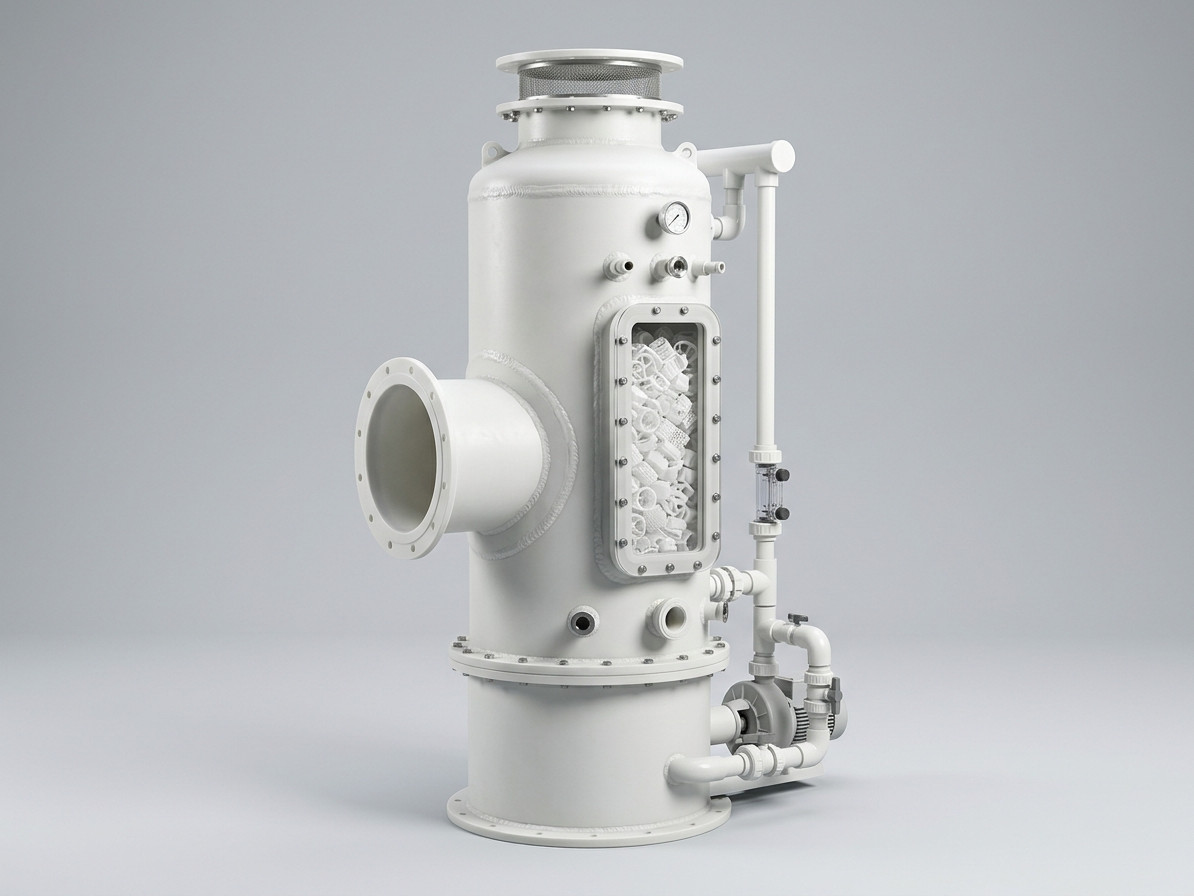
Packed-bed scrubbers that strip acid and caustic fumes from exhaust air before discharge.

  • PP construction
  • Packed-bed with recirculation
  • Sized by exhaust CFM
  • Mist eliminator stages available

Every quote includes the exact price and the honest lead time, if it's a ten-week build, we say ten weeks before you order. Configurations shown are representative; we spec each order to your line.

Selection guide

Which method for which bath

A starting orientation. Some chemistries rule out air agitation entirely, and that decision comes first, we confirm against your bath before quoting.

MethodSuitsNotes
Air spargeMost acid and alkaline plating baths, cleaners and pickles.Simple and effective. Not for baths that oxidise or foam badly with air.
Eductor circulationBaths where air is unwanted, and any bath needing strong directed flow.Multiplies pump flow substantially and runs off the filter loop.
Cathode rod agitationRack work where moving the part beats moving the solution.Mechanical, so it adds a maintenance item, but it is gentle on the bath.
Lip exhaustOpen tanks of most widths.Slot velocity and hood placement matter more than raw fan size.
Push-pull ventilationWide tanks where one-sided extraction cannot reach across.A low-velocity air jet carries fume across to the exhaust side.
Packed-bed scrubbingAcid and caustic exhaust before discharge.Sized by exhaust CFM and by the chemistry being captured.
Packed-bed polypropylene fume scrubber with ducting on the roof of a metal finishing plant
Extraction ends somewhere. What comes off the tank has to be treated before it leaves the building. Scrubber sizing follows exhaust volume and the chemistry captured, and the ducting has to survive both.
How we size it

What we need to quote agitation or ventilation

Send what you have and we will fill the gaps with you, nobody gets turned away for an incomplete spec. These are simply the answers that let us quote without a round of questions first.

Tank dimensions and solution depth

Surface area drives extraction; depth drives the pressure a blower has to overcome.

The chemistry

Decides whether air agitation is suitable at all, and what the ducting, hood and scrubber have to be made from.

What you are trying to fix

Uneven deposit, burning, gas pitting, a mist problem in the room or an air permit condition, the answer differs sharply.

Existing ductwork and fans

If there is a system in place, its size and condition often decides whether you extend it or start again.

Power and space

Voltage and phase for the blower or fan, and where the equipment can physically go.

Common questions

Agitation & Ventilation, what people ask

How much air does a sparge header need?

It scales with the solution surface area and the depth the air is released at, a deeper tank needs more pressure for the same visible movement. Give us the tank dimensions and the depth of the header and we will size the blower against it rather than guessing from tank volume alone.

Air agitation or eductors?

Air is simpler and cheaper and suits most baths. Eductors go where air is unwanted, chemistry that oxidises or foams, or where you want strong directional flow past the work. Eductors also run off the filtration loop you already have, which is often the deciding factor.

Why must the blower be oil-free?

A lubricated compressor carries oil mist in its air stream. Blown into a plating bath, that oil becomes an organic contaminant you then pay to remove with carbon. Regenerative blowers are oil-free by design, which is why they are the standard for this duty.

How do I know if my ventilation is adequate?

The practical signals are mist visible above the tank, condensate and corrosion on nearby structures, and operators reporting irritation. The formal answer comes from industrial hygiene measurement against your applicable exposure limits, we supply the equipment, and we will tell you plainly when the question you are asking is one for a hygienist rather than a supplier.

Do I need a scrubber?

That depends on your chemistry and your local air permit, not on the size of your shop. Where acid or caustic mist is being extracted, treatment before discharge is usually expected. Tell us what you are capturing and the exhaust volume and we will size it.

Request a quote

Tell us what the line needs.

Answer what you know and skip the rest, a person who knows plating reads every RFQ and comes back with a price and an honest lead time, usually the same business day. Attach drawings or a photo of the old part and we'll work from that.

A person who knows plating reads it, and replies with a real price and an honest lead time.
Designed & Powered by ariMarketing