Chemical pumps fail at the wetted path and at the seal. Get the material right and pick a design with nothing to leak, and a pump on a plating line becomes the part of the shop nobody thinks about.
Circulation, transfer and dosing are different duties. Trying to cover all three with one pump is where most chemical pumping problems start.
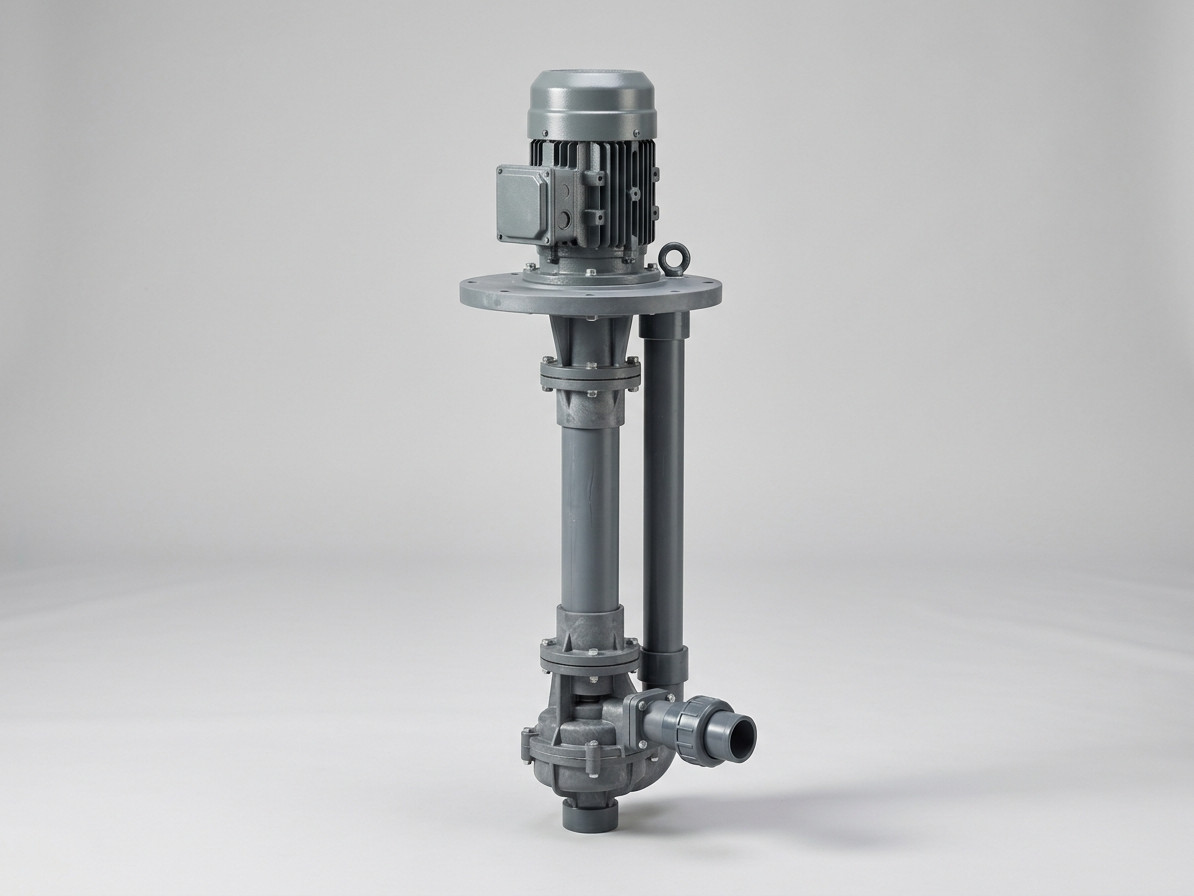
The default for filter loops. The motor sits above the liquid and there is no mechanical seal in the bath, so the classic failure mode simply is not there.
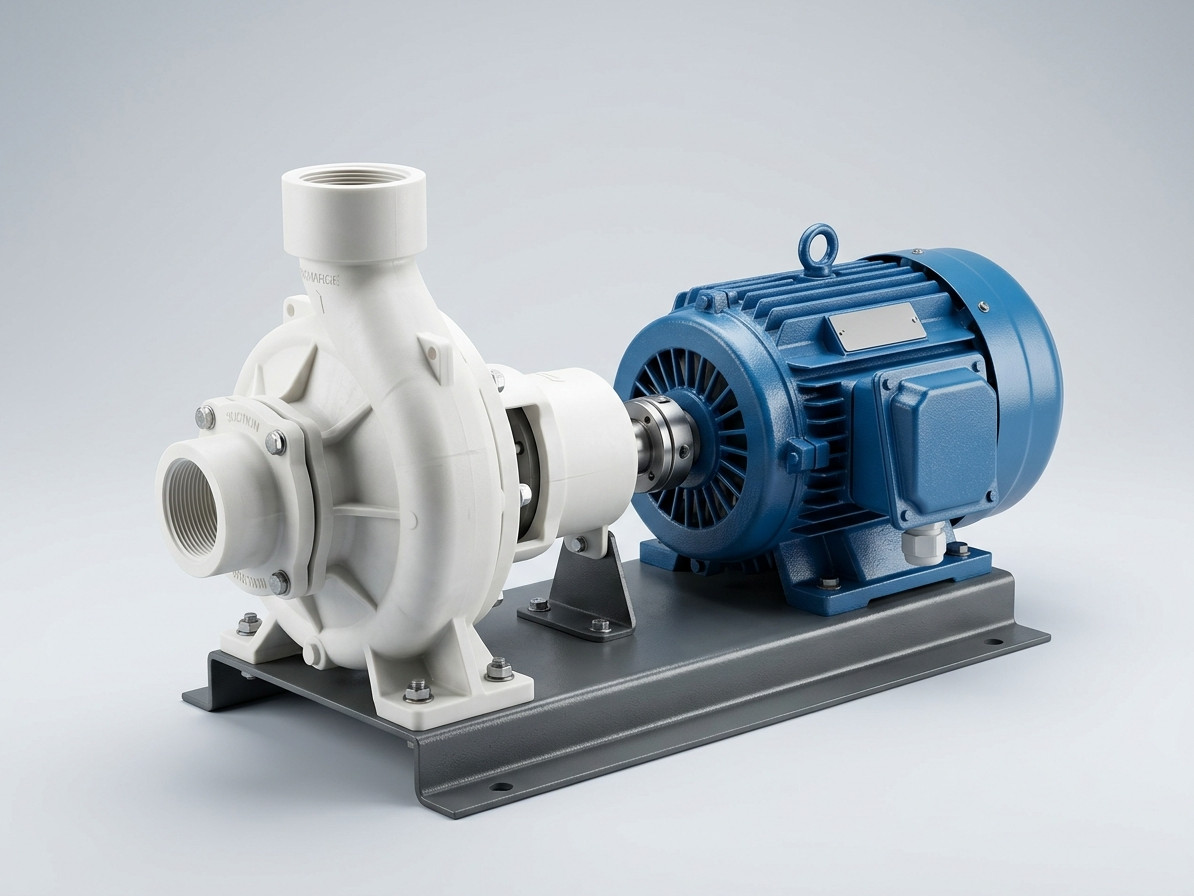
A magnetic coupling drives the impeller through a sealed containment shell. No dynamic seal, no leak path, the choice where a spill is unacceptable.
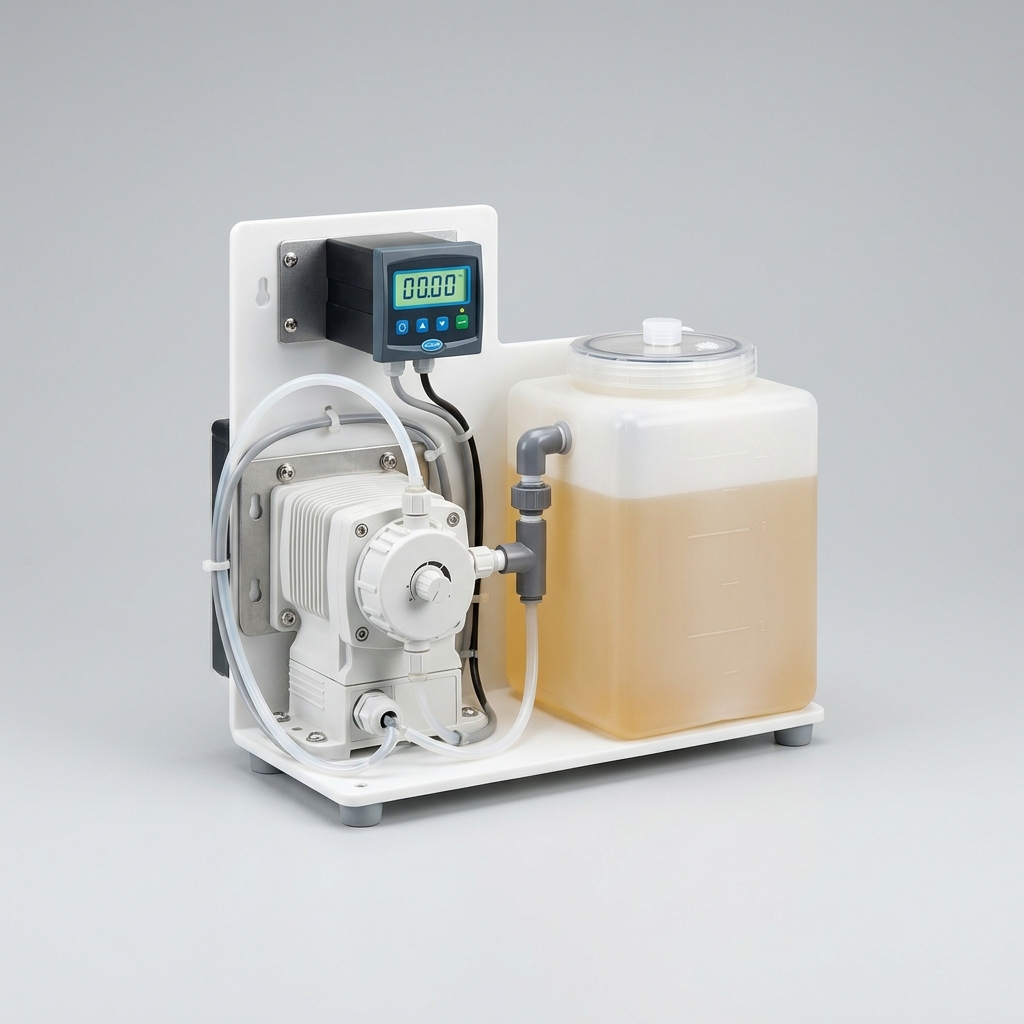
Solenoid and motor-driven pumps delivering brighteners, additives and pH correction in repeatable small doses, manually set or driven from a 4-20 mA signal.
PP, PVDF, PTFE and CPVC wetted ends, with diaphragm, seal and O-ring materials checked against the same chemistry.
Single or three phase at the voltage you actually have, with enclosure ratings appropriate to a wet, corrosive room.
Foot valves, injection quills, calibration columns, back-pressure valves and chemical-rated tubing, the items that decide whether a dosing installation holds its accuracy.
Chemical-duty pumps with wetted paths that survive your bath, from precision metering pumps to seal-less verticals and mag-drives.

Solenoid metering pumps for brighteners, additives and pH control, manual, pulse or 4-20mA control with chemical-rated heads.

Vertical immersion pumps with no seals in the liquid, the standard for filter loops and transfer on aggressive chemistry.

Seal-less mag-drive centrifugal pumps for chemical transfer and circulation where leaks are not an option.
Every quote includes the exact price and the honest lead time, if it's a ten-week build, we say ten weeks before you order. Configurations shown are representative; we spec each order to your line.
A quick orientation. Concentration, temperature, solids and duty cycle all shift the answer, so treat this as the shortlist rather than the specification.
| Duty | Usual choice | Why |
|---|---|---|
| Filter loop circulation | Vertical seal-less | Continuous duty, no seal to fail, and a spill from the loop cannot drain the tank. |
| Chemical transfer between vessels | Magnetic drive | Leak-free coupling and good head for moving volume through pipework. |
| Drum and tote unloading | Drum / barrel pump | Portable, dips into the container, wetted tube material chosen per chemical. |
| Brightener and additive dosing | Solenoid metering | Small, repeatable doses; manual set point or pulse and 4-20 mA control. |
| pH correction | Metering pump with control input | Driven from a controller so correction tracks the reading rather than a timer. |
| Sump and floor spill recovery | Vertical sump pump | Handles intermittent duty and run-dry conditions better than a flooded-suction pump. |
Send what you have and we will fill the gaps with you, nobody gets turned away for an incomplete spec. These are simply the answers that let us quote without a round of questions first.
Plus temperature. This decides every wetted material before anything else is considered.
GPM for circulation and transfer, GPH for dosing. If you know the tank volume and the turnover you want instead, that works too, we will do the arithmetic.
How far up and how far along, plus the pressure drop across the filter chamber. Undersizing here is the most common cause of disappointing flow.
Whether the pump is moving clean solution or something carrying particles changes the impeller and clearances.
Voltage and phase at the installation point, and whether you need a starter or a drive with it.
Both remove the mechanical seal, but differently. A vertical pump hangs into the tank with its motor above the liquid, good for circulating from an open tank. A mag-drive is a sealed horizontal pump driven through a magnetic coupling, better for transferring through pipework under pressure.
Most cannot without damage. Some vertical designs tolerate short dry periods; magnetic couplings can de-couple or overheat the containment shell. If run-dry is likely in your installation, tell us and we will specify for it or add level protection.
Work from consumption over time, a chemical addition per shift or per thousand amp-hours converts straight to GPH. Then choose a pump where your normal rate sits comfortably inside the range rather than at the very bottom of the dial, where accuracy is worst.
Yes, including for pumps we did not originally supply. Send the pump nameplate or a photo and we will cross-reference the parts.
PP covers a great deal of general plating chemistry. PVDF and PTFE go where the chemistry is more aggressive or hotter. The seals and diaphragms matter as much as the housing, we check all of them against your bath, not just the body.
Answer what you know and skip the rest, a person who knows plating reads every RFQ and comes back with a price and an honest lead time, usually the same business day. Attach drawings or a photo of the old part and we'll work from that.